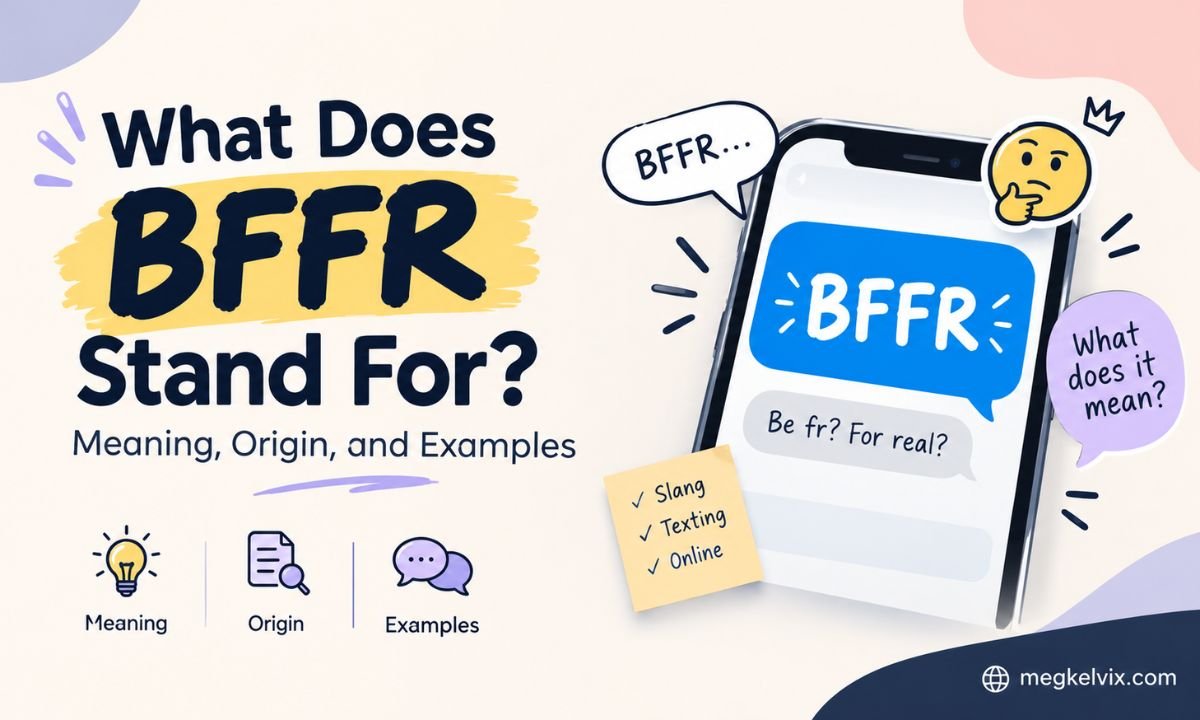
BFFR is a popular internet slang term that stands for “Be For Real.” People use it in texts, chats, and social media comments to show disbelief, call out exaggeration, or ask someone to stop joking and be serious. For example, if a friend claims they can finish a huge project in one hour, you might reply “BFFR” to show you don’t believe it.
The term gained popularity on platforms like TikTok, Instagram, and X (Twitter), where short and quick expressions are common. It started as a casual way to react playfully, and today it is widely used among teens and young adults in everyday online conversations. Understanding BFFR helps you follow modern slang and communicate more naturally in digital spaces.
What Does BFFR Meaning in Text?
BFFR is a popular slang abbreviation used in texting and on social media, and it stands for “Be For Real.” People use it when they find something hard to believe or when they want someone to stop joking and be serious. For example, if a friend makes an unrealistic claim, you might reply “BFFR” to show you don’t believe it. The term is most common among teens and young adults on platforms like TikTok, Snapchat, and Instagram. It is usually used in a casual, playful tone, but it can sound rude in formal conversations, so it is best kept for chats with friends.
Example
Text: “You really think you’ll finish that essay in one hour? BFFR.”
Here, BFFR signals: I don’t believe you, and I think that’s unrealistic.
Best Friends Forever
A best friend is someone who stands by you in every situation, whether you are happy or sad. They celebrate your successes and support you during your hardest times without expecting anything in return. True friendship is built on trust, honesty, and respect. Memories made together, from shared laughter to silly arguments, make the bond even stronger. Such a friend is a precious gift, and a friendship like this truly lasts forever.
BFFR Full Form
What Does BFFR Stand For?
BFFR is short for “be f*ing for real.”** It grew out of the older, milder phrase “be for real,” which has been used since the 2000s to accuse someone of joking, lying, or exaggerating.
Read More This : frls meaning in text
Is BFFR Rude, Offensive, or Neutral?
BFFR is a slang abbreviation that stands for “Be For Real,” and it is mostly used in casual text chats and on social media. Its tone depends entirely on the context and the relationship between the people talking. Among close friends, it is usually playful and neutral, used to express disbelief or to say “stop joking.” However, when used with strangers, elders, or in a professional setting, it can come across as dismissive or rude. It is not an offensive word in itself, since it contains no abusive language, but a sharp tone can make it sound disrespectful. Overall, BFFR is best described as informal and neutral, and it should be used carefully. .
Friendly Use
Between close friends, it can be light teasing: “You said you’d be ready in 5 minutes an hour ago, BFFR.”
Slightly Rude Use
Said to someone less familiar, it can come across as dismissive or impatient.
Offensive Use
In arguments or toward strangers, it can feel confrontational, since it directly questions someone’s honesty or judgment.
Tone Breakdown
| Tone | Feeling | Example |
| Friendly | Playful teasing | “BFFR, you’re not actually mad.” |
| Neutral | Mild disbelief | “You paid $40 for that? BFFR.” |
| Harsh | Confrontational | “BFFR, stop lying to me.” |
Where Is BFFR Commonly Used?
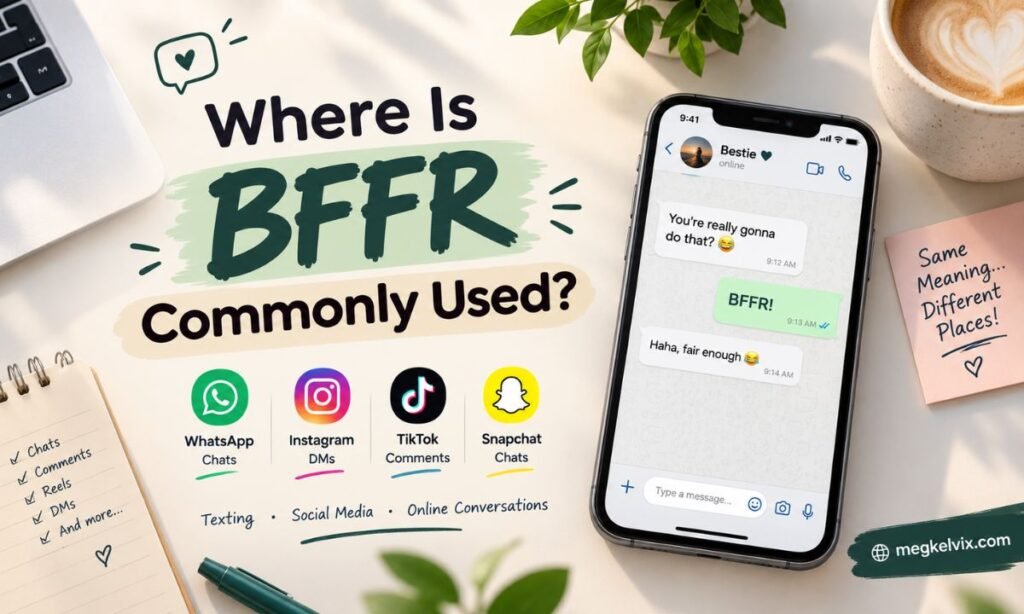
TikTok
Extremely common in comments reacting to unbelievable claims, viral “storytimes,” or over-the-top opinions.
Shows up in comment sections and DMs, often reacting to captions or claims that feel exaggerated.
Snapchat
Used in casual chats to react to something a friend says that sounds unlikely.
X (Twitter)
Common in replies calling out bold claims or hot takes.
Group Chats
Used to playfully challenge a friend’s story or excuse.
Real-Life Examples of BFFR Usage
Friendly Example
Mia: I woke up at 5am to work out.
Zoe: BFFR, you can barely wake up for class.
Casual Example
Comment: “This recipe says ‘quick and easy’ and step one takes an hour. BFFR.”
Social Media Example
Post: “I manifested this entire outfit.”
Reply: “BFFR, you bought it on sale.”
Argumentative Example
Text: “You said you’d help and then disappeared. BFFR.”
Origin and Background of BFFR
The root phrase, “be for real,” dates back to at least the 2000s as a way to call out exaggeration or dishonesty. The stronger version, “be f***ing for real,” began appearing online in the late 2000s and grew significantly on social media, especially TikTok, starting around 2022. The term has roots in African American Vernacular English (AAVE), which has shaped much of modern internet slang.
Why People Use BFFR
1. It’s Short and Fast
Five letters replace a full sentence of disbelief.
2. It Expresses Strong Emotion
It carries more weight than a plain “really?”
3. It Fits Social Media Culture
Quick, punchy reactions perform well in comments and captions.
4. It Adds Humor
Used playfully, it can turn a mundane comment into a joke.
5. It Highlights Unrealistic Ideas
It’s a fast way to flag something that sounds too good, too dramatic, or too convenient to be true.
Comparison With Similar Slang
| Term | Meaning | Intensity |
| BFFR | Be f***ing for real | High |
| BFR | Be for real | Medium |
| FR | For real | Low to medium |
| FRFR | For real, for real | Medium |
| Get real | Stop exaggerating | Medium |
BFFR vs FR
FR simply confirms something is true or expresses light surprise. BFFR goes further — it actively challenges the truth of what was said. FR is neutral; BFFR carries doubt or frustration.
When Should You Avoid BFFR?
- In professional or work messages
- With people you don’t know well
- During sensitive or emotional conversations
- When the other person may not know the term
- In formal writing or captions meant for a broad audience
Polite Alternatives to BFFR
- “Are you serious?”
- “Really though?”
- “I find that hard to believe”
- “No way, really?”
Example
Instead of: “BFFR, that never happened.”
Try: “Wait, really? That doesn’t sound right.”
Impact of Using Slang in Communication
Positive Effects
- Makes casual conversations feel more natural
- Builds a sense of shared culture with peers
- Adds humor and personality to texts
Negative Effects
- Can confuse people unfamiliar with the term
- May sound harsh in serious conversations
- Risks being misread as hostile in text, where tone is hard to convey
Read More This : ty in chat
Is BFFR Safe for Social Media?
BFFR, short for “best friends for real,” is a popular slang term used in texts and comments on platforms like Instagram, TikTok, and Snapchat. The term itself is harmless and is simply a way for friends to show closeness and loyalty. However, using it on social media is only as safe as the habits of the person using it. Posting personal details, tagging locations, or chatting with strangers who claim to be “BFFR” can expose users, especially teens, to scams and online predators. To stay safe, one should keep accounts private, accept only people they know in real life, and avoid sharing sensitive information. In short, BFFR is a safe expression, but true safety depends on how carefully we behave online
Examples of BFFR in Different Contexts
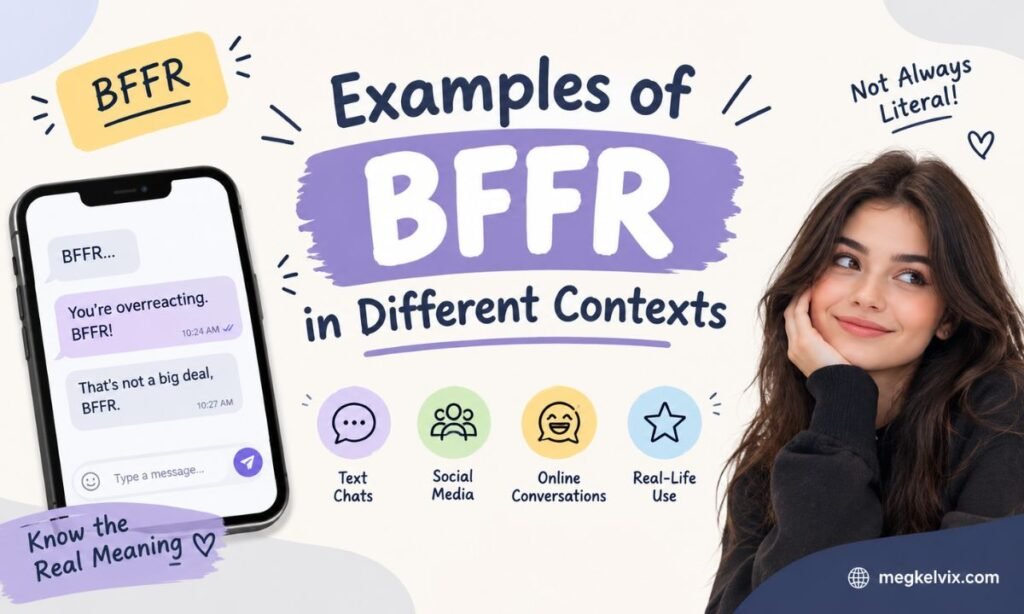
Friendly Tone
“BFFR, you’re not really scared of that tiny spider.”
Casual Tone
“$15 for a coffee? BFFR.”
Argumentative Tone
“You can’t just cancel last minute again, BFFR.”
Gaming Context
“You claim you clutched that round solo? BFFR.”
Social Media Context
“This ‘life hack’ does not work, BFFR.”
Common Misunderstandings About BFFR
Does BFFR mean “Best Friends For Real”?
Rarely today. That was an older, less common use. The dominant modern meaning is “be f***ing for real,” expressing disbelief.
Does BFFR always mean someone is angry?
No. It often signals playful disbelief rather than real anger, though tone and context matter.
Is BFFR appropriate for everyone?
Not necessarily. It’s casual slang best suited to informal conversations with people who understand it.
Can BFFR be positive?
Yes. Among friends, it’s often used humorously rather than as a genuine criticism.
Conclusion
BFFR is blunt, quick, and built for expressing disbelief in casual digital spaces. Its dominant meaning today, “be f***ing for real,” is sharper than its older “best friends forever” use, so context and relationship matter when reading or using it. Save it for casual chats with people who’ll understand the tone behind it.
FAQs:
What does BFR mean in slang?
BFR stands for “be for real,” a milder version of BFFR used to express doubt or ask for honesty.
What does BSFR mean in slang?
BSFR is a rarer variant, generally read the same way as BFFR — an intensified call for someone to be honest or realistic.
What does bbf mean from a girl?
BBF usually just means “best friend,” a casual way to refer to someone close, without any romantic implication.
What does “FR” mean in Gen Z slang?
FR means “for real,” used to confirm something is true or to express agreement and surprise.
What is fs in gen z slang?
FS commonly means “for sure,” a quick way to agree with something.







1 thought on “BFFR Meaning: What It Stands For and How to Use It 2026”